

Tasmania CPD
CPD for how Tasmania actually builds, including what changes when NCC 2025 arrives
Tasmania paused NCC 2025 on 5 June 2026 and returned to NCC 2022, with NCC 2025 to be adopted on 1 May 2027. This Tasmania CPD for building designers, architects and energy assessors is written for cold climate work and for the changeover. Product neutral, recognised CPD.
Built for
- Building designers
- Architects
- Energy assessors
- Drafting & documentation staff

Get Tasmania updates
- New Tasmania courses the day they release
- NCC 2025 changeover updates for Tasmania
- No spam, unsubscribe any time
Paused, not cancelled. NCC 2025 arrives on 1 May 2027.
Tasmania applied NCC 2025 from 1 May to 4 June 2026, then reinstated NCC 2022. The switch is now set for 1 May 2027, and the condensation changes include new rules for climate zones 6, 7 and 8.
The context
NCC 2022 applies again, until 1 May 2027
The Building Amendment Act 2026 commenced on 5 June 2026 and reinstated NCC 2022. Projects approved under NCC 2025 between 1 May and 4 June 2026 finish under NCC 2025.
The cost
In a cold climate, condensation is expensive
A wall or roof that traps moisture shows up as mould and defects long after handover. NCC 2025 tightens the rules in climate zones 6, 7 and 8, so details need checking before the switch.
The fix
Current, Tasmania-aware, product neutral
Recognised CPD that covers what applies in Tasmania now and what changes on 1 May 2027. No vendor content, just the code and the practice.
What’s different in Tasmania
The dates and rules below are specific to Tasmania.
In short
Which NCC applies in Tasmania, and what CPD is available?
NCC 2022 applies in Tasmania right now. Tasmania paused NCC 2025 on 5 June 2026 and will adopt it on 1 May 2027, and projects granted building approval under NCC 2025 between 1 May and 4 June 2026 are completed under NCC 2025. CPD On Demand offers recognised, product neutral online CPD for Tasmanian building designers, architects and energy assessors, including Cold-Climate Condensation and Zone 7 Envelopes for Tasmanian Architects and national NCC 2025 courses. Correct as at September 2026.
- The pause. NCC 2025 applied from 1 May to 4 June 2026. The Building Amendment Act 2026 commenced on 5 June 2026 and reinstated NCC 2022.
- The restart. NCC 2025 is to be adopted in Tasmania on 1 May 2027.
- Approvals in the gap. A project granted building approval under NCC 2025 between 1 May and 4 June 2026 is completed under NCC 2025.
- Condensation from 1 May 2027. NCC 2025 makes wall cavities mandatory in climate zones 6, 7 and 8, with a drained and ventilated cavity at least 12 mm deep, vents of at least 1,000 mm² per metre of wall, and a roof space height of at least 18 mm (down from 20 mm).
Always confirm the edition that applies to your project with your state or territory building authority. Correct as at September 2026.
Tasmania at a glance
1 May 2027
NCC 2025 adopted in Tasmania.
- NCC 2022 applies until then
- NCC 2025 paused on 5 June 2026
- Approvals from 1 May to 4 June 2026 stay on NCC 2025
Tasmanian courses, plus the national changes that land on 1 May 2027.
Start with the course written for Tasmania, then the NCC 2025 courses that cover what changes at the switch. Each one is complete and certificated on its own.
01
Cold climate condensation
Why a heated Tasmanian building in climate zone 7 drives moisture outward through its fabric, where that vapour condenses, and how the NCC 2022 condensation provisions become wall and roof design decisions.
You will walk away able to
- Distinguish surface condensation from interstitial condensation and explain why the hidden form does the more serious damage.
- Apply the NCC 2022 condensation management provisions to walls and roofs, including membrane vapour permeance, roof space ventilation and exhaust to outside.
- Specify glazing, wet-area exhaust and low-profile roof details for the points where moisture and cold coincide.
1 recognised CPD, certificate included
02
NCC 2025
The reasoning behind NCC 2025, the staggered adoption timeline across the states and territories, and how to work out which edition governs a project when approval timing straddles a changeover date. A significant part covers condensation management, the headline residential change.
You will walk away able to
- Determine when NCC 2025 applies in your state and design confidently across a changeover.
- Analyse condensation management and its impact on your wall and roof detailing and material selection.
- Build a practical plan to prepare your standard details, templates and consultant briefings before your state adopts NCC 2025.
1 recognised CPD, certificate included

03
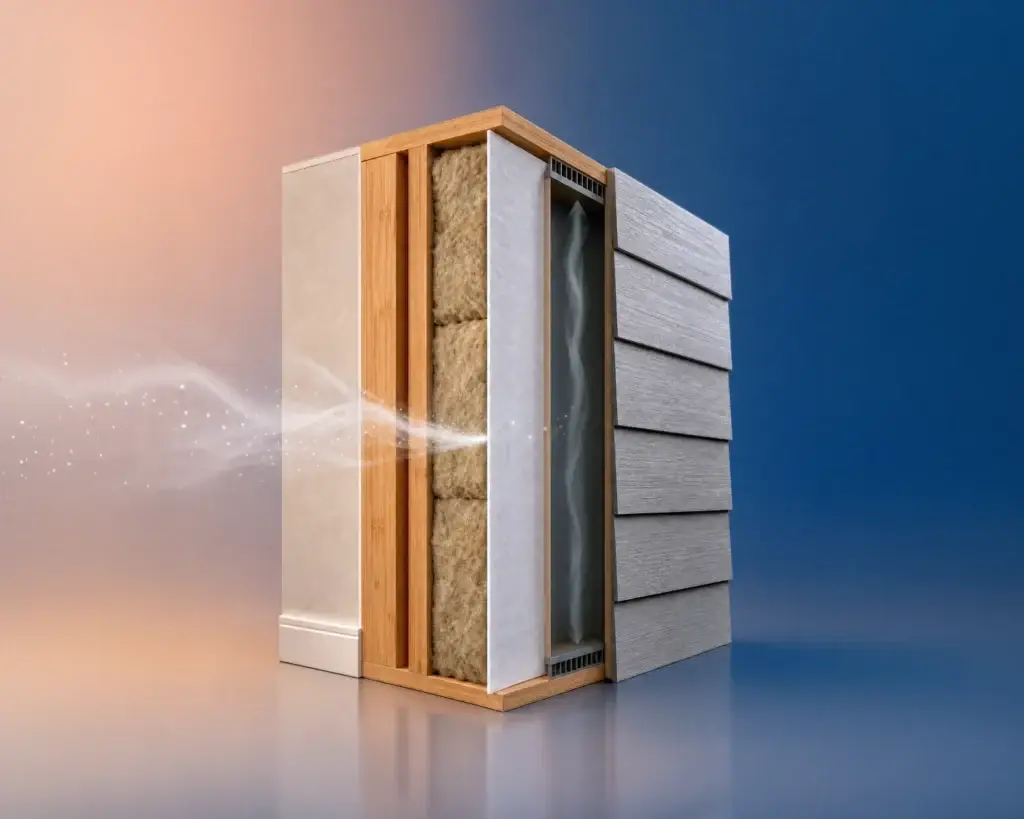
Condensation management
How condensation forms inside residential wall and roof assemblies, and how NCC 2025 addresses the risk through ventilated cavities, building membranes and climate specific design decisions.
You will walk away able to
- Select the appropriate vapour permeance class for building membranes based on climate zone and construction type.
- Determine when drained and ventilated cavities are required and incorporate them into compliant wall and roof designs.
- Prepare clear drawings and specifications that demonstrate condensation compliance and support efficient certification.
1 recognised CPD, certificate included
04
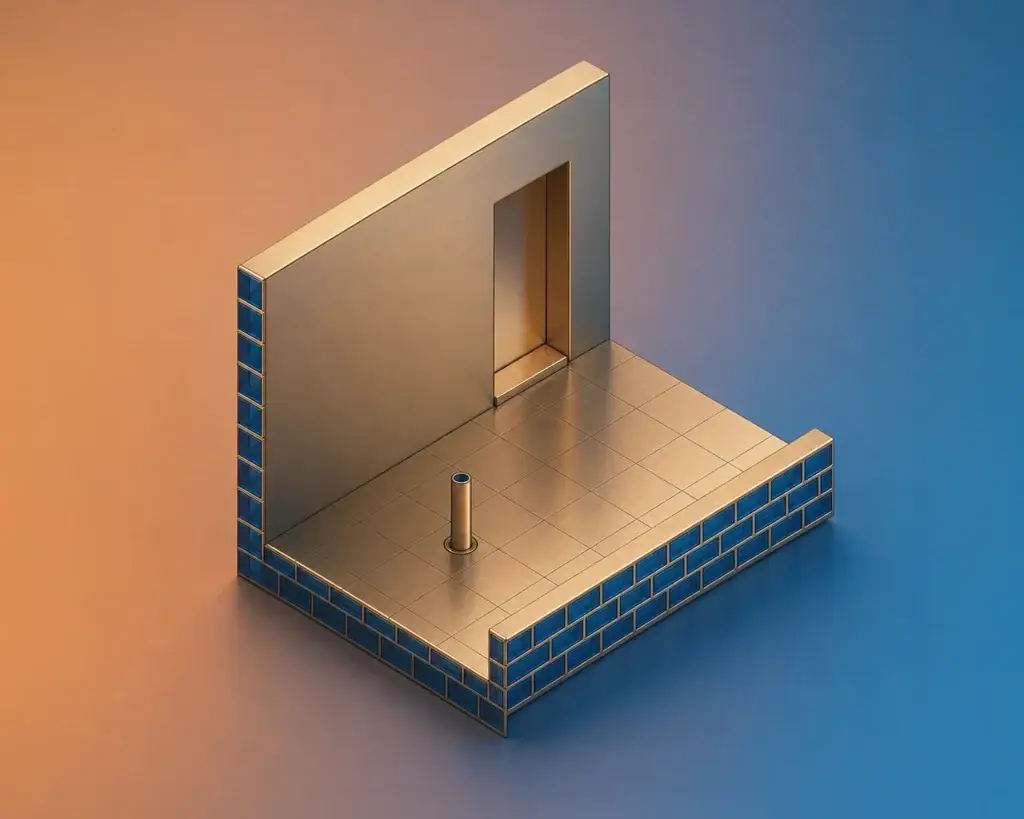
Water management
The NCC 2025 water management provisions for balconies, podiums and concrete roofs in Class 2 to 9 buildings, and the staged state and territory adoption that decides which edition governs a project.
You will walk away able to
- Identify which balconies, podiums and concrete roofs the NCC 2025 water management provisions reach and which conditions the application clause excludes.
- Confirm which NCC edition governs a project from the staged state and territory adoption arrangements.
- Apply the minimum fall, step down, hob and overflow requirements to the structural substrate rather than the screed or finish.
1 recognised CPD, certificate included
05
Energy assessment
For energy assessors: how to read a NatHERS specification that exists but says too little, and turn its words into defensible modelling inputs using the Technical Note’s evidence standard.
You will walk away able to
- Classify every line of a specification as prescriptive, performance or reference, and state what each can give a NatHERS model.
- Assess an underspecified window schedule against the Technical Note’s rules, including the three conditions for substituting a custom window.
- Write the ranked clarification request and the certificate note that let a certifier test the built house without a dispute.
Counts toward your CPD, certificate included

Built for the people who draw, specify and assess Tasmania work.
If you design, document, coordinate or rate residential work in Tasmania, these courses are pitched at the decisions you actually make.
Building designers
Concept through to lodgement
Architects
Residential and multi-residential practice
Energy assessors
Where the code meets your ratings
Drafting & documentation staff
The people preparing the set
Enrol once, learn at your own pace, keep your record.
1
Enrol
Enrol in any course instantly. No waitlists, no paperwork and no subscription.
2
Learn
Work through each CPD online, on any device. Stop, start and rewind. Your progress is saved.
3
Certify
Complete the short quiz on each course to receive your certificate.
4
Keep
Your CPD record and certificates are stored in your dashboard for whenever you need them.
What you might be wondering.
Are CPD On Demand courses recognised CPD?
Yes. Each CPD On Demand course is recognised CPD, worth one formal CPD point for architects and building designers, with a certificate when you complete it. For energy assessors, each assessor course is one technical CPD point. ABSA and BDAA accept CPD On Demand courses. Check how your registration body or association asks you to log it.
Which NCC edition applies in Tasmania?
NCC 2022 applies in Tasmania, reinstated on 5 June 2026, and NCC 2025 is to be adopted on 1 May 2027. If your project was granted building approval under NCC 2025 between 1 May and 4 June 2026, it is completed under NCC 2025. Always confirm the edition that applies to your project with your state or territory building authority.
What CPD courses does CPD On Demand offer for Tasmania?
CPD On Demand offers Cold-Climate Condensation and Zone 7 Envelopes for Tasmanian Architects, national courses on NCC 2025, condensation management and balcony and podium waterproofing, and a course for energy assessors on NatHERS specifications. Each course is online, product neutral and recognised CPD.
Was NCC 2025 cancelled in Tasmania?
No. NCC 2025 applied in Tasmania from 1 May to 4 June 2026, then the Building Amendment Act 2026 commenced on 5 June 2026 and reinstated NCC 2022. NCC 2025 is to be adopted in Tasmania on 1 May 2027.
How do I get notified of new Tasmania courses?
Use the sign-up form at the top of this page. You are subscribed straight away, and you will get an email when a new Tasmania course is released or there is NCC 2025 changeover news for Tasmania. No spam, and you can unsubscribe any time.
Do CPD On Demand courses need a subscription?
No. Each CPD On Demand course is $99, paid once, with no subscription and no ongoing obligation. Your certificates are stored in your dashboard.
Are CPD On Demand courses product neutral?
Yes. CPD On Demand courses have no vendor content and no product pitches. They teach the code and the practice, not a product.
Tasmania CPD
Tasmania CPD for building designers, kept current.
Recognised CPD written for how Tasmania actually builds. Sign up once and hear the day a new Tasmania course is released.
Product neutral. No vendor content.