

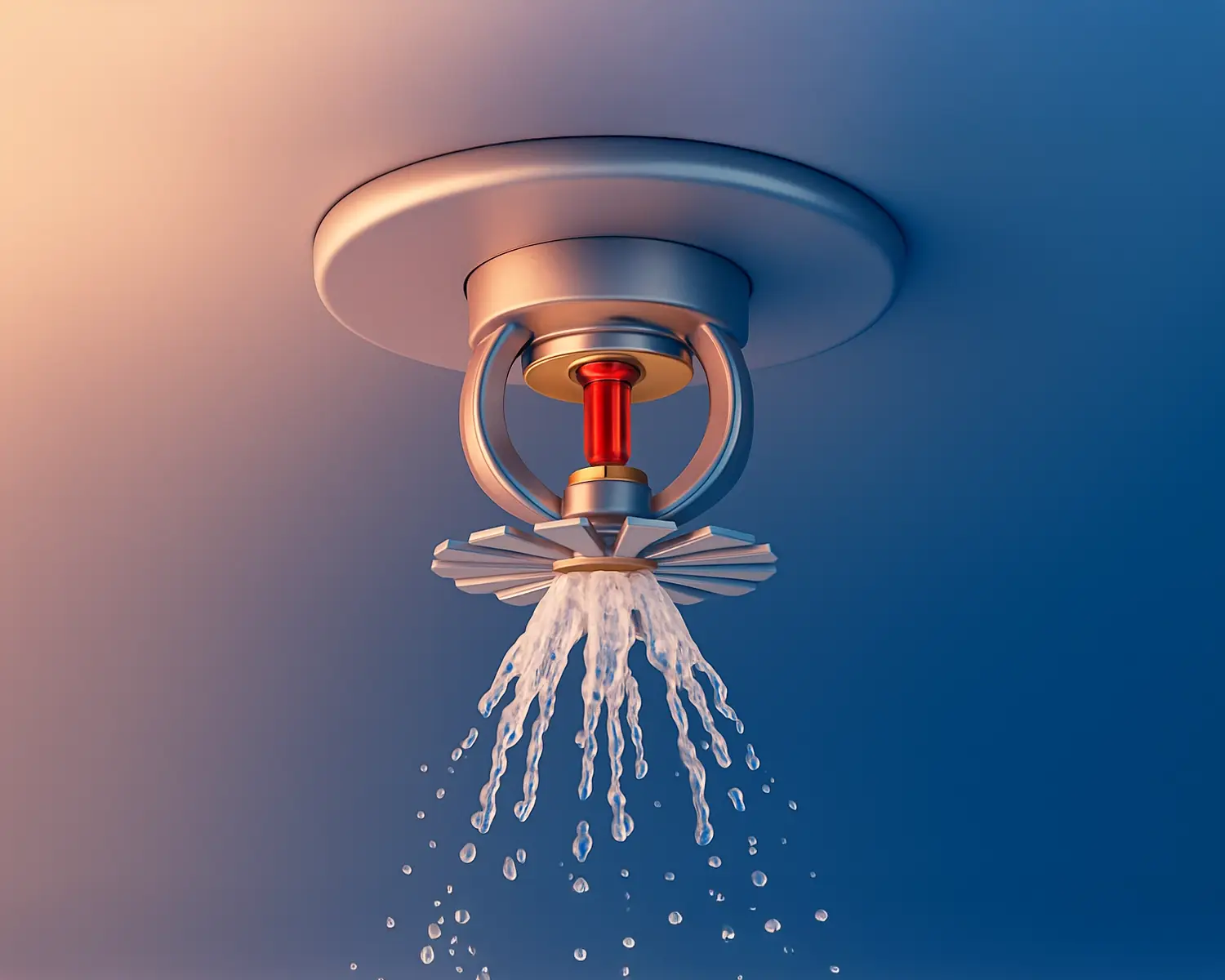
Fire Safety in Residential Design: Understanding Passive and Active Systems for Design Documentation and Coordination
$99.00 GST
Passive and active fire systems are designed by different people and coordinated by nobody. That is where documentation fails.
This one hour CPD course covers how fire safety systems shape residential design and documentation, the difference between passive and active systems, and how to coordinate them so the drawings hold together.
Fully online and self paced. Your certificate is issued the moment you finish and is stored in your account.
Description
This course explains how fire safety systems influence residential building design and documentation. It introduces the difference between passive fire protection, such as fire-rated walls and floors, and active systems like sprinklers and smoke detection, and shows how they work together to protect occupants and buildings. The course also explains how NCC 2022 fire safety provisions apply to Class 1 and Class 2 residential buildings, including fire resistance levels, compartmentation, and egress requirements. It teaches designers how to identify common compliance gaps in drawings and specifications, such as missing tested systems, incomplete fire stopping details, and insufficient egress documentation. Finally, it focuses on coordination between architects, fire engineers, and certifiers to produce clear, complete documentation that supports fire safety compliance and efficient project approvals.
This CPD provides general guidance on professional responsibilities and documentation practices. It does not constitute legal advice or replace project-specific contractual or statutory obligations.
