

Course Content
★★★★★
This course explains the most common errors found during AAO audits of NatHERS assessments and why they occur. It explores how small inconsistencies such as mislabelled zones or unjustified defaults can lead to serious consequences including failed audits or deaccreditation. Participants learn about the root causes of these issues such as poor communication, incorrect assumptions, and weak documentation or file structure. The course provides strategies to improve modelling accuracy, strengthen internal quality assurance, and structure documentation to meet audit expectations. It encourages assessors to treat audit findings as learning tools fostering a culture of continuous improvement and professional accountability.
This CPD provides general guidance on professional responsibilities and documentation practices. It does not constitute legal advice or replace project-specific contractual or statutory obligations.

This session is designed for

Energy Assessors

NatHERS Assessors

Building Energy Consultants

Sustainability Assessors

Residential Energy Modellers
By the end of the course, participants will understand the most common mistakes that lead to audit failures and why these issues occur. They will be able to recognise how small inconsistencies in modelling, documentation, or communication can escalate into major compliance problems. The course will help them identify the root causes of errors, such as reliance on default values or unclear instructions from clients and designers. Participants will also learn practical strategies to improve reporting accuracy, file organisation, and internal quality control. Ultimately, they will gain the knowledge and tools needed to strengthen their assessment process and reduce the risk of repeat audit issues.
This ensures that CPD efforts align with professional regulatory requirements.
What’s Included
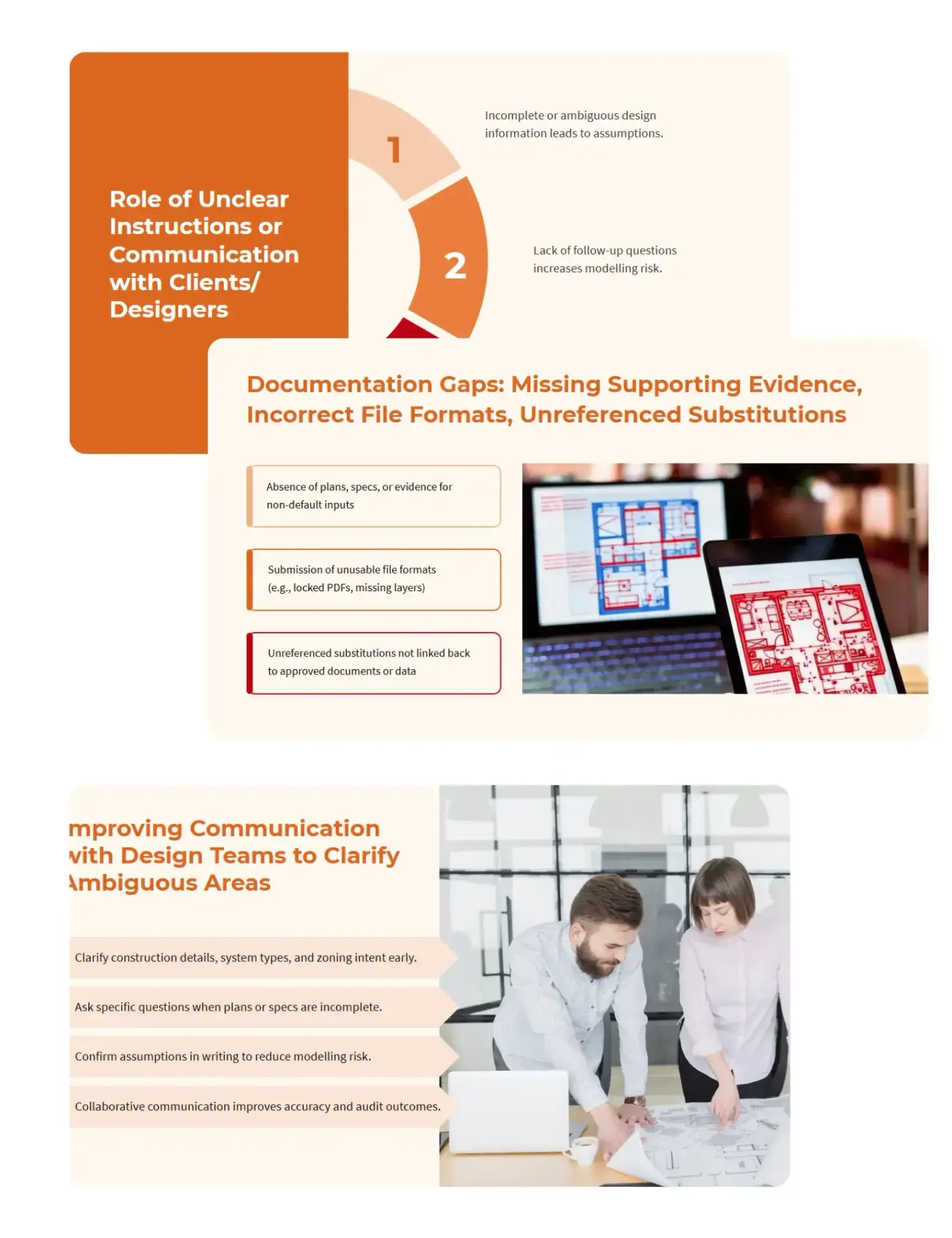
This course covers the most frequent mistakes identified during AAO audits of NatHERS assessments and the reasons they occur. It examines common problem areas such as incorrect zoning, software misuse, missing documentation, and appliance misclassification. The course also explores how seemingly minor inconsistencies can lead to serious compliance issues and failed audits. Participants are guided through practical strategies for improving modelling accuracy, documentation quality, and audit readiness. Additionally, it emphasises the importance of structured workflows, internal quality assurance, and clear communication with design teams to prevent repeat issues.
Why Take This CPD Session?

Gain a clear understanding of the most common compliance issues in NatHERS assessments and how to avoid them.
Improve your audit success rate by applying proven quality assurance strategies and documentation practices.
Strengthen your professional credibility and maintain accreditation through consistent, audit-ready submissions.
Professional development is an investment in career growth and regulatory compliance. Take the next step today.